| Cost | Bookings required |
|---|---|
| Location | Far southwest NSW, ~110km NE of Wentworth, ~150km NW of Balranald, ~145km from Mildura VIC |
| Pet Friendly | See Camps App |
| Campfires | See Camps App |
| Facilities | Toilets, sheltered picnic area, visitor centre/museum, shaded picnic facilities |
| Vehicle Access | Unsealed roads throughout park |
| In Camps App | Yes – find it in Camps 13 guide |
It certainly is a long way to drive to get to Mungo National Park, deep in the Willandra Lakes World Heritage Area. Located in far southwest New South Wales, around 110 km northeast of Wentworth, 150 km northwest of Balranald, or roughly 145 km from Mildura in Victoria.
However you reach it, the journey is all part of the adventure – long, dusty roads leading to one of Australia’s most hauntingly beautiful landscapes.
Main Campground
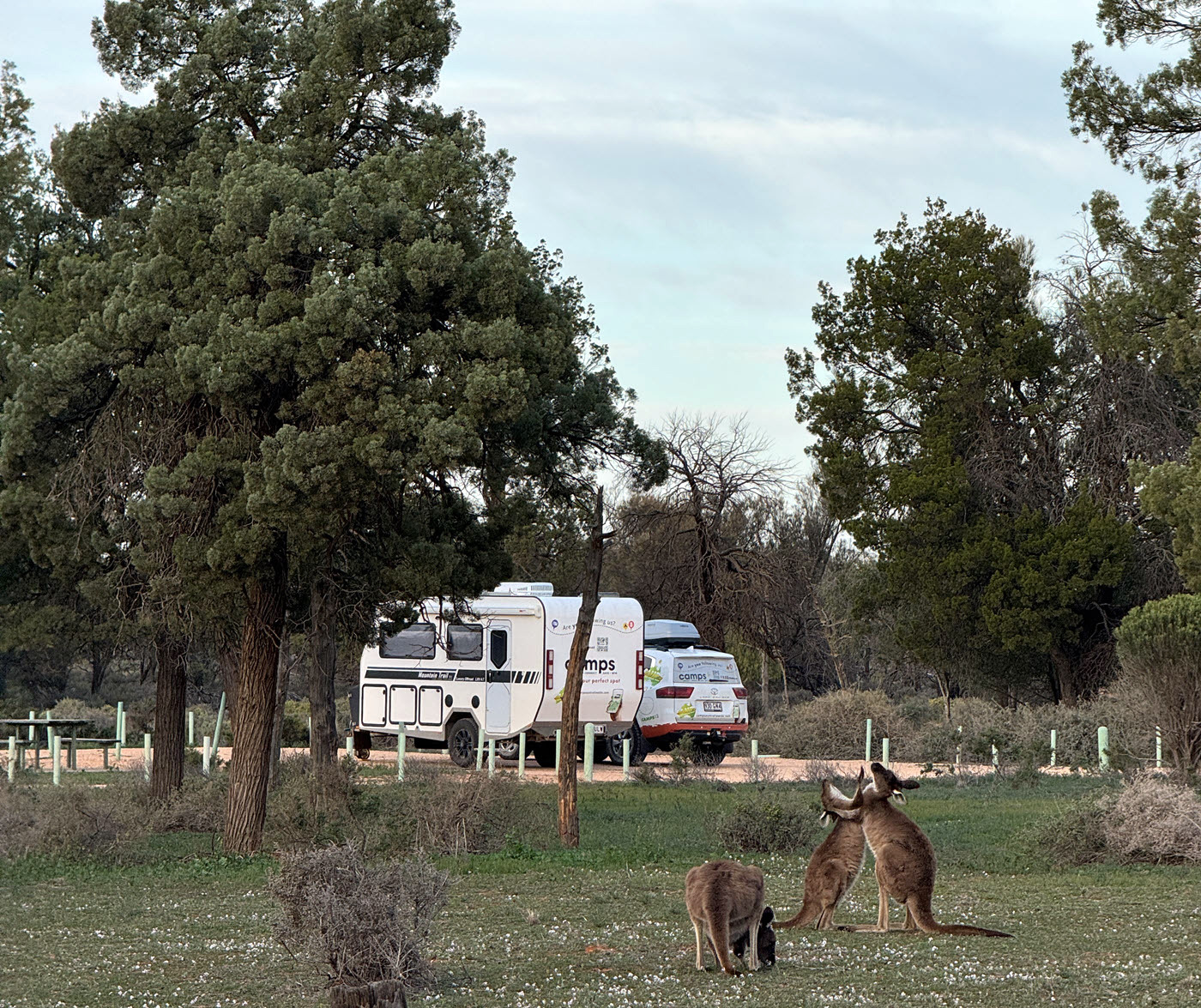
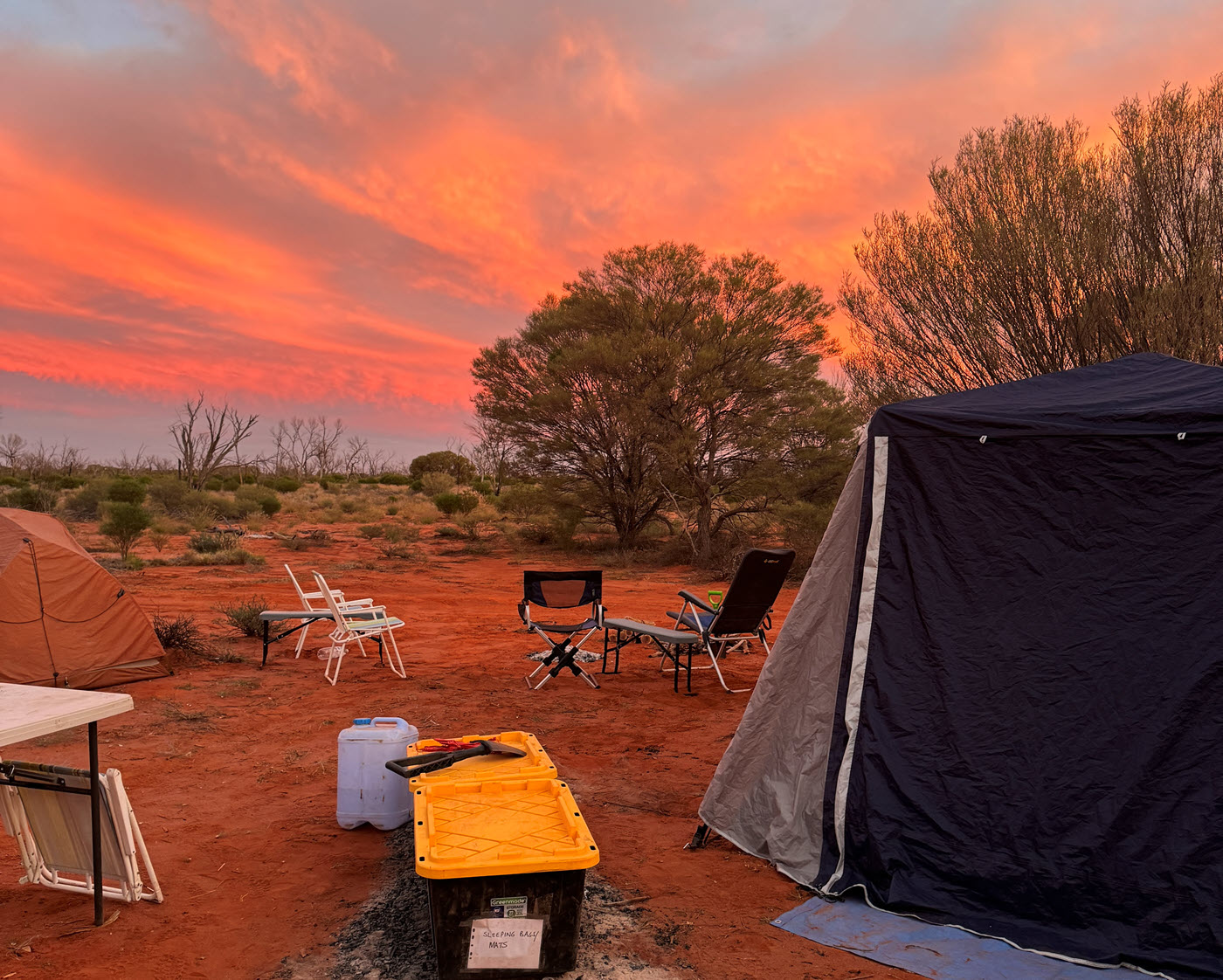
We set up at Main Campground, which must be booked, but once there it is first in best dressed. Sites range from small to large, and they’re all in walking distance from the toilets. There’s a large sheltered picnic area in the centre and the 1.2 km Grasslands Nature Trail.
Mungo Lodge
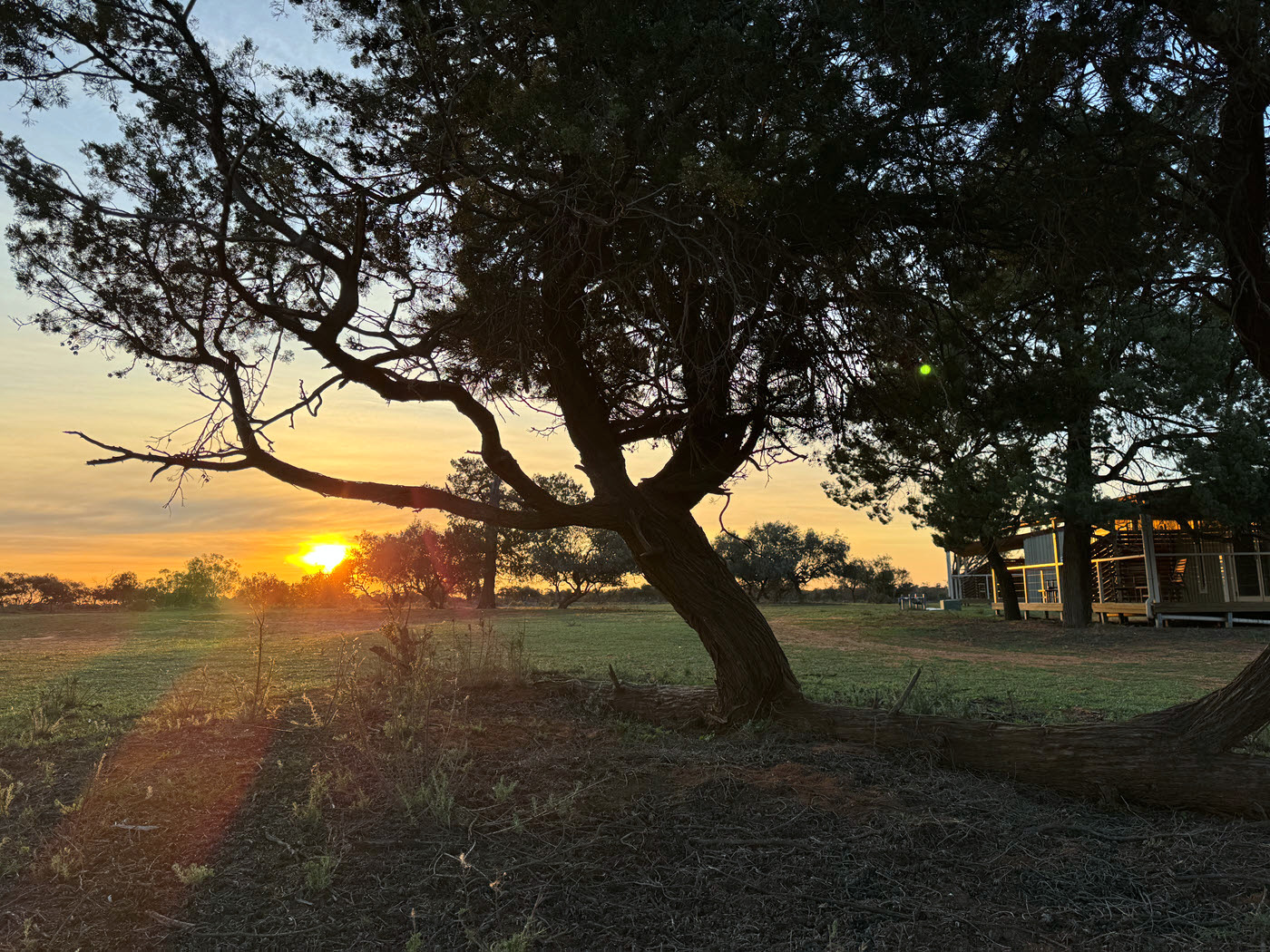
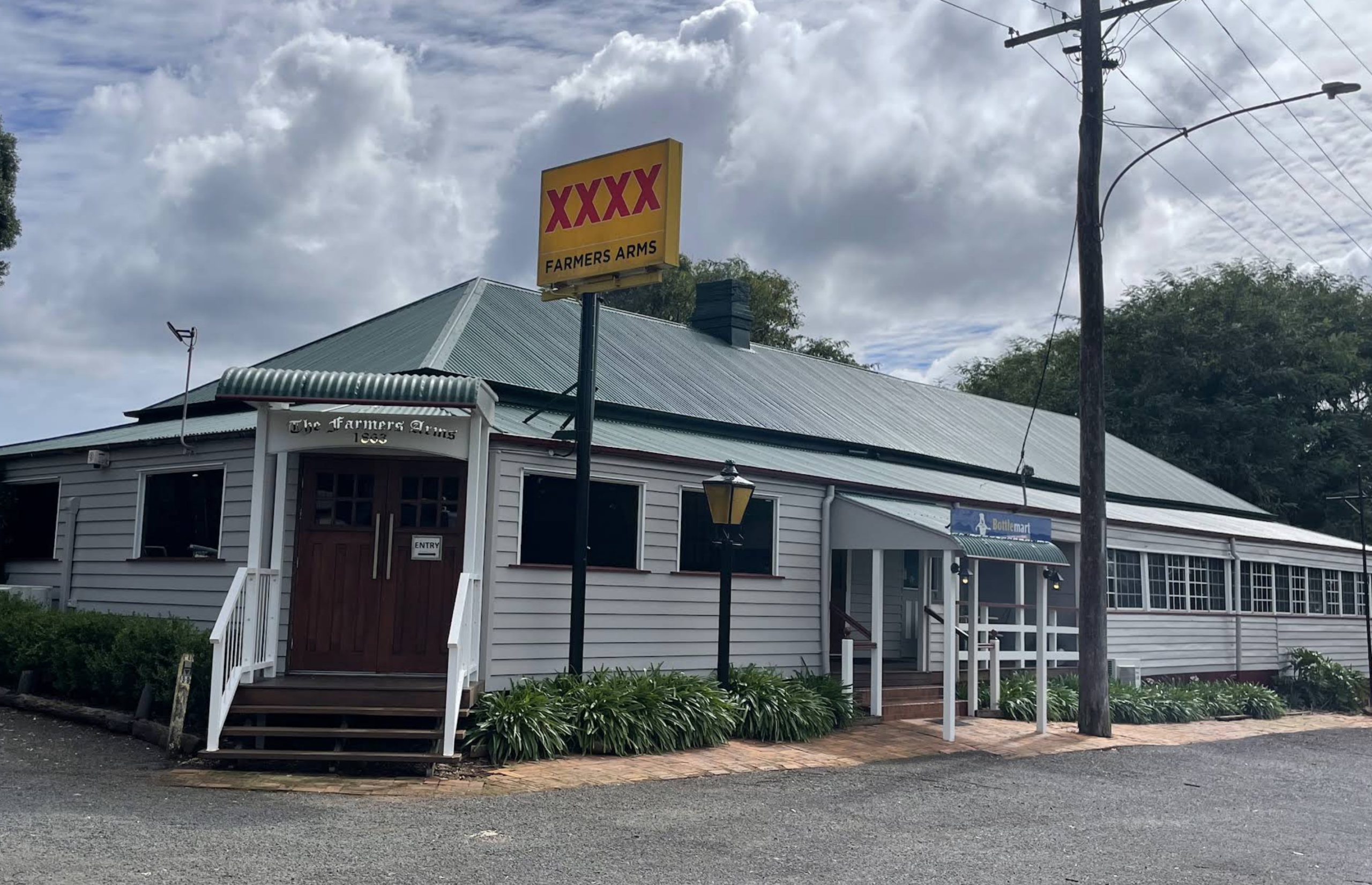
The Top Hut Campground looked amazing – with views stretching right out to the lake and cliffs. Our family stayed at the nearby Mungo Lodge – we popped in for a drink and a game of pool but mostly self-catered and soaked up those outback skies and stars.
Mungo Visitor Centre
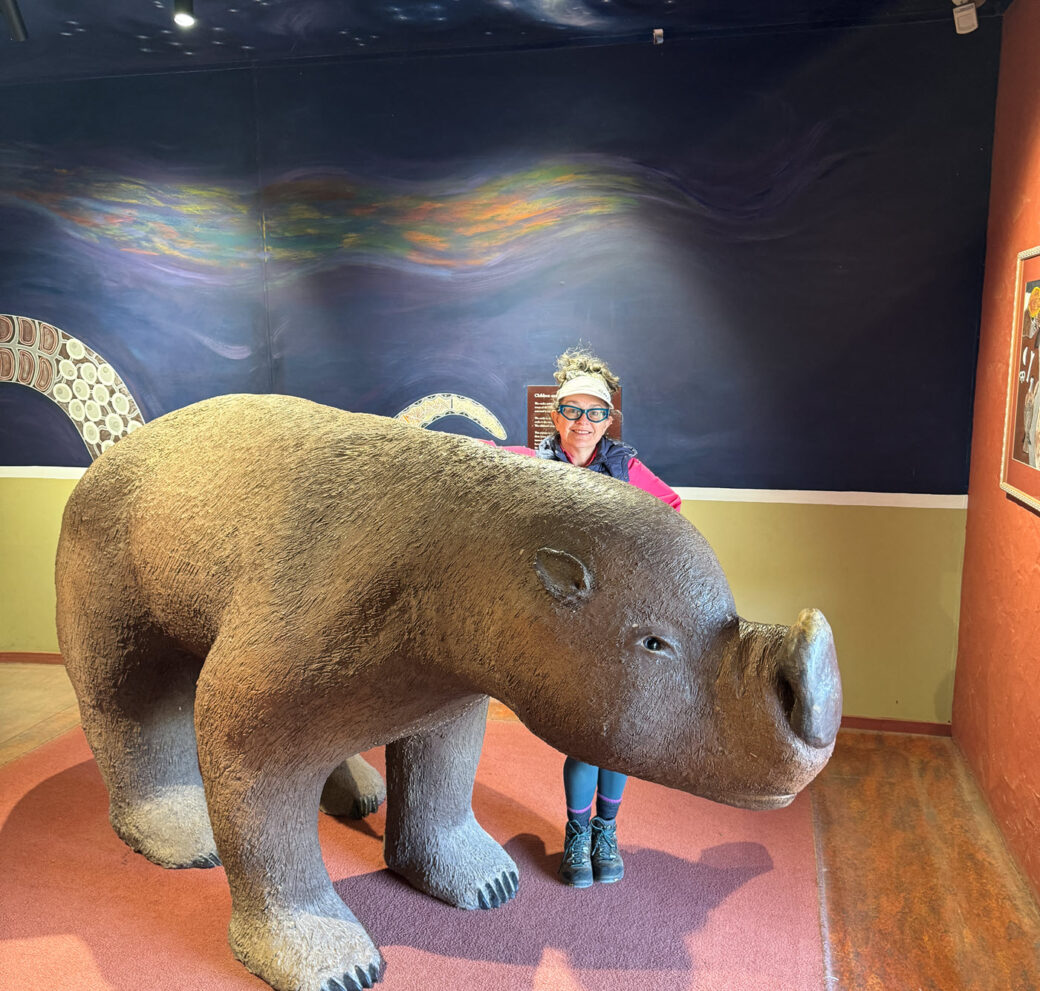
The Mungo Visitor Centre and museum are excellent and shouldn’t be missed. They tell the story of the park’s rich Aboriginal heritage of 50,000 years and extraordinary natural history. Mungo is one of the most significant archaeological sites in the world – home to the remains known as Mungo Lady and Mungo Man.
The area has been cared for by the Paakantji, Mutthi Mutthi and Ngiyampaa peoples – who continue to share their deep cultural connections to Country.
Walls of China
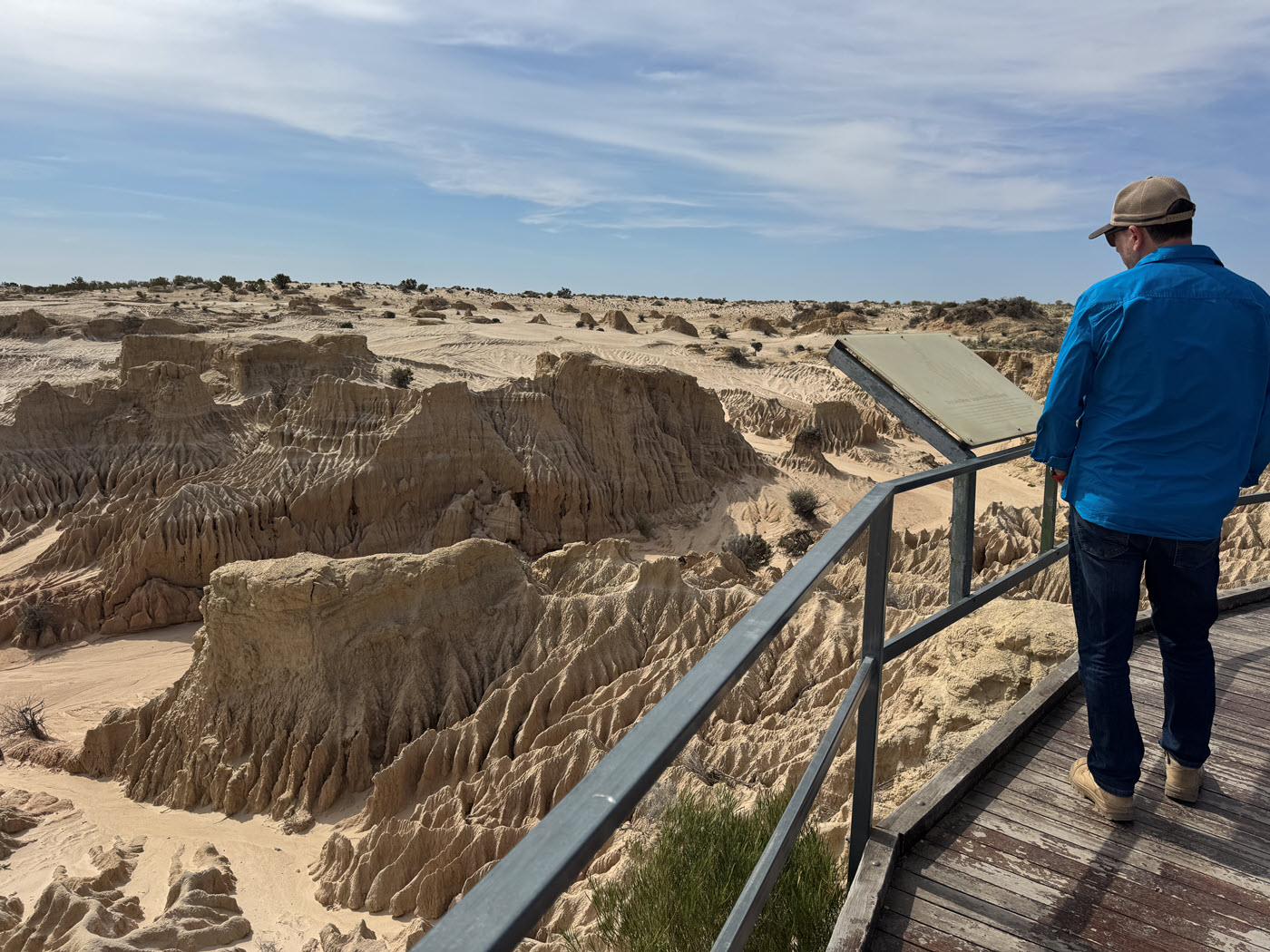
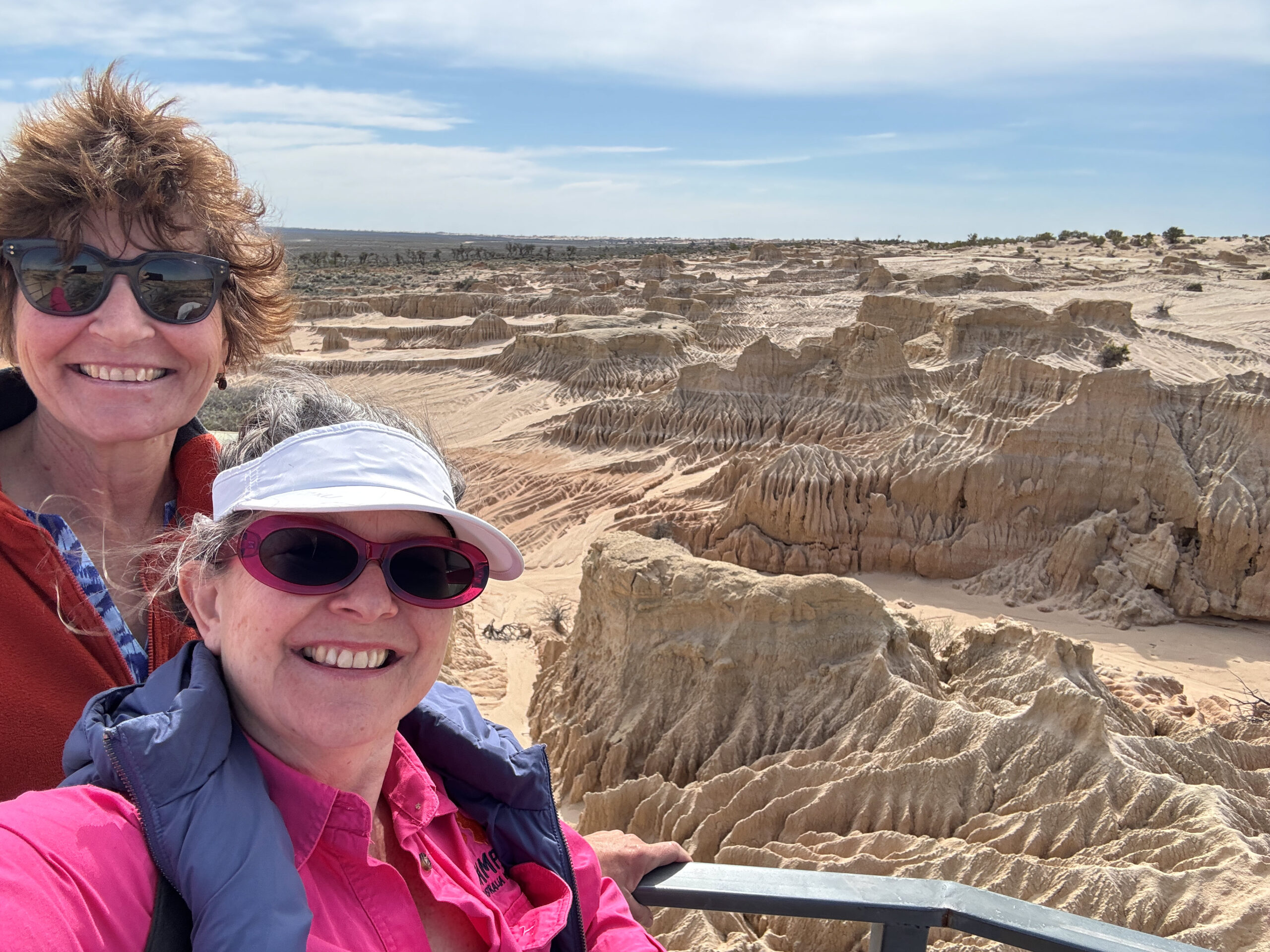
One of the absolute highlights is the Walls of China tour, where rangers and local guides lead you across striking lunettes carved by wind and time. Our crew loved this experience – a chance to walk among ancient dunes and imagine the thriving lake system that once filled this arid basin. Tip: they glow red at sunset!
Self drive loop
The larger 70 km self-guided Mungo Drive Loop west on Walls Road out to Belah Campground was closed at the time. However we were able to drive to Walls and Red Top Lookout, with an alternate circuit back to Mungo Lookout. Red Top is closest to the formations – also recommended for sundown, the others have short boardwalks.
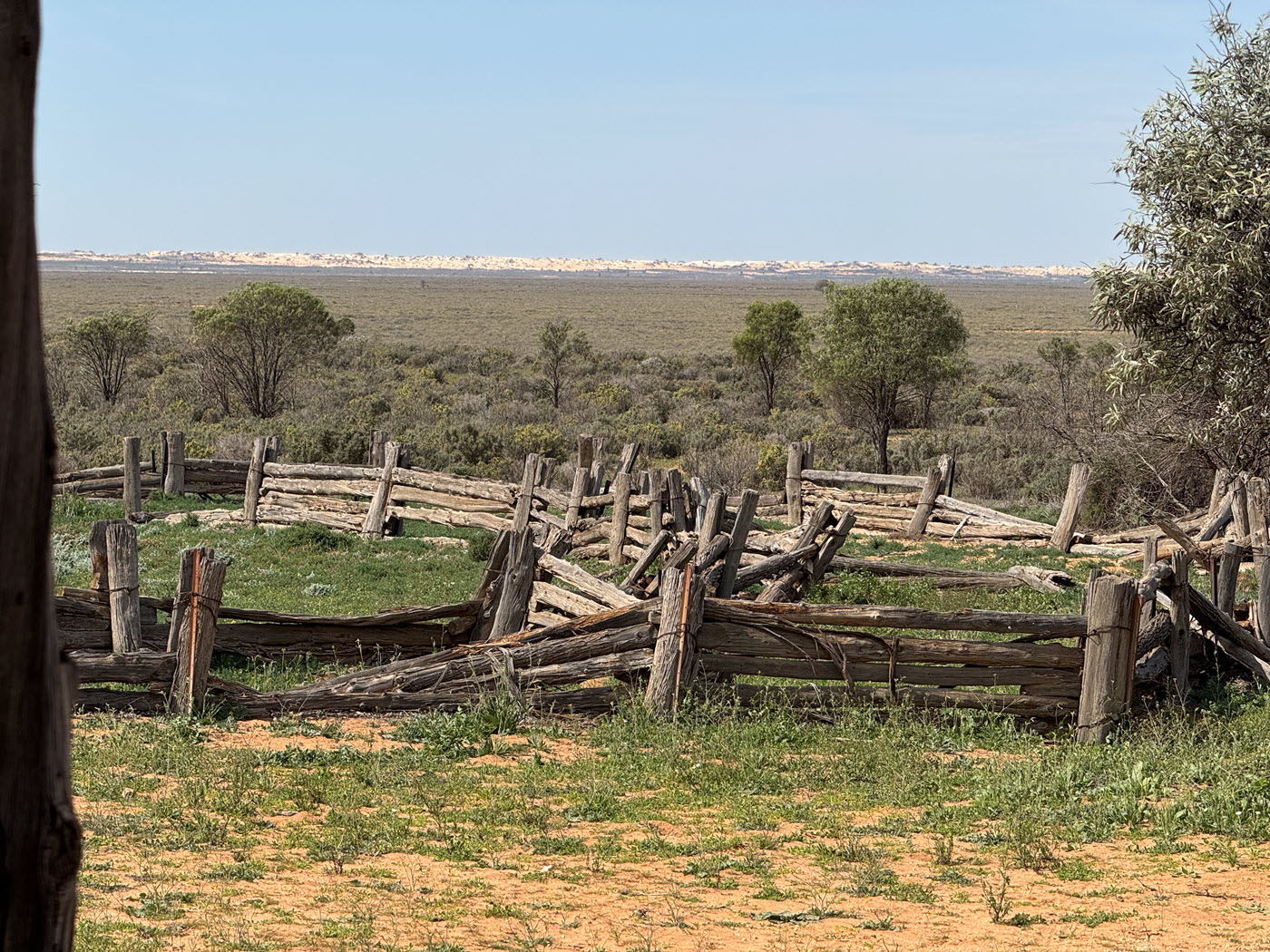
We drove the 10 km scenic Pastoral Loop for historic wool sheds north and stopped at Zanci homestead and back Mungo Woolshed near the information centre. The shaded picnic facilities are excellent. You can hike or cycle this route as well! The close family and social ties of the two homesteads, and the pioneering and shearing history is fascinating.
The roads are all unsealed through Mungo’s unique landscape of saltbush plains, claypans and sand ridges. In fact it has six different habitats!
A real treat was sightings of the Major Mitchell Cockatoos, or Pink Cockatoos as they’re now known, especially driving from Mungo to Pooncarie. We’ve never seen them so close before! Or so many. There’s also a lot of emus and other wildlife in and around the campground, especially the kangaroos and wallabies.
It’s been on my bucket list for years, and finally sharing it with Mum and my sister made it extra special. Have you ticked Mungo off your list yet? What was your favourite stop?
Find sites in the brand new Camps 13 and other guides plus the handy Camps App.
Frequently Asked Questions
Do I need to book the Main Campground at Mungo National Park?
Yes, the Main Campground must be booked in advance. Once you arrive, it operates on a first in best dressed basis for individual site selection, with sites ranging from small to large all within walking distance of toilets.
What is the Walls of China and how do I visit?
The Walls of China is a striking series of ancient lunettes carved by wind and time. Rangers and local guides lead tours across these formations, which are best viewed at sunset when they glow red. You can also access viewing points via Red Top Lookout for self-guided visits.
How far is Mungo National Park from major towns?
Mungo National Park is located in far southwest NSW, approximately 110km northeast of Wentworth, 150km northwest of Balranald, or roughly 145km from Mildura in Victoria. It’s a remote destination with long, dusty roads as part of the journey.
What can I see at the Mungo Visitor Centre?
The Mungo Visitor Centre and museum tell the story of the park’s 50,000 year Aboriginal heritage and extraordinary natural history. It’s one of the world’s most significant archaeological sites, home to the remains of Mungo Lady and Mungo Man, with ongoing cultural connections through the Paakantji, Mutthi Mutthi and Ngiyampaa peoples.
What wildlife might I see at Mungo National Park?
Visitors can expect to see Major Mitchell Cockatoos (Pink Cockatoos), emus, kangaroos and wallabies in and around the campground. The park has six different habitats including saltbush plains, claypans and sand ridges.
Are the roads sealed at Mungo National Park?
No, all roads through Mungo National Park are unsealed. The park features unique landscapes of saltbush plains, claypans and sand ridges, so be prepared for dusty driving conditions.
What is the Pastoral Loop at Mungo?
The Pastoral Loop is a 10km scenic route featuring historic wool sheds including Zanci homestead and Mungo Woolshed near the information centre. You can drive, hike or cycle this route which tells the story of pioneering and shearing history with excellent shaded picnic facilities available.
Is the 70km Mungo Drive Loop always open?
Check the Camps App for current details on road closures and access conditions, as the larger 70km self-guided loop can be subject to closure.